 Natural Revolution Empowering Natural Living
The antioxidant values of foods listed are expressed in ORAC (Oxygen Radical Absorbance Capacity) units, a unit of measurement for antioxidants developed by the National Institute on Aging in the National Institutes of Health (NIH). How ORAC got started was by a group of individuals with an interest in antioxidants and health who have put together information which is backed by peer-reviewed scientific publications.
The ORAC values listed are based on the laboratory measure of ORAC, expressed in micromoles of Trolox Equivalents per 100 grams of sample. This is important to consider when comparing something like a ground spice to say, a raw fruit. 100 grams of ground spice is likely to be much denser in organic compounds, and therefore have a higher ORAC value than 100 grams of a raw fruit, which would be made up of mostly water weight. However, you would find it difficult and possibly dangerous to ingest large quantities of spices, so it makes sense to eat a wide variety of antioxidant-rich foods – not just the ones at the top of the list.
 Sumac, bran, raw
The antioxidant value of Sumac, bran, raw described in ORAC units is 312,400 μ mol TE/100g.
Sumac is a high-tannin variety of sorghum. Sorghum is a genus of numerous species of grasses, one of which is raised for grain and many of which are used as fodder plants either cultivated or as part of pasture. The plants are cultivated in warmer climates worldwide. Species are native to tropical and subtropical regions of all continents in addition to the southwest Pacific and Australasia.
 Cloves
Cloves are the aromatic dried flower buds of a tree in the family Myrtaceae. Cloves are native to the Maluku islands in Indonesia and used as a spice in cuisines all over the world. Cloves are harvested primarily in Indonesia, India, Madagascar, Zanzibar, Pakistan, and Sri Lanka.
Eugenol comprises 72-90% of the essential oil extracted from cloves, and is the compound most responsible for the cloves’ aroma. Other important essential oil constituents of clove oil include acetyl eugenol, beta-caryophyllene and vanillin, crategolic acid, tannins such as bicornin, gallotannic acid, methyl salicylate (painkiller), the flavonoids eugenin, kaempferol, rhamnetin, and many others.

Acai, fruit pulp/skin, powder
102,700 μ mol TE/100g.
Extracts of acai seeds were reported to have antioxidant capacity in vitro against peroxyl radicals, similar to the antioxidant capacity of the pulp, with higher antioxidant capacity against peroxynitrite and hydroxyl radicals.
The anthocyanins of fruit likely have relevance to antioxidant capacity only in the plant’s natural defensive mechanisms and in vitro.
The Linus Pauling Institute and European Food Safety Authority state that dietary anthocyanins and other flavonoids have little or no direct antioxidant food value following digestion. Unlike controlled test tube conditions, the fate of anthocyanins in vivo shows they are poorly conserved (less than 5%), with most of what is absorbed existing as chemically modified metabolites destined for rapid excretion.

Cocoa, dry powder, unsweetened
Cocoa powder is rich in flavonoids, a type of phenolic. The amount of flavonoids depends on the amount of processing and manufacturing the cocoa powder undergoes, but cocoa powder can contain up to 10% its weight in flavonoids. Flavanols are one of six compounds further classified as flavonoids. Flavanols, which are also found in fruits and vegetables, are linked to certain health benefits linked to coronary heart disease and stroke. The topic of how flavanols benefit cardiovascular health is still under debate. It has been suggested that the flavanols may take part in mechanisms such as nitric oxide and antioxidant, anti-inflammatory, and antiplatelet effects. Benefiting these mechanisms may improve endothelial function, lipid levels, blood pressure and insulin resistance.

Pecans
A diet rich in seeds can lower the risk of gallstones in women. The antioxidants and plant sterols found in pecans reduce high cholesterol by reducing the “bad” LDL cholesterol levels.
Clinical research published in the Journal of Nutrition (September 2001) found that eating about a handful of pecans each day may help lower cholesterol levels similar to what is often seen with cholesterol-lowering medications.
Elderberries, raw
Black elderberry has been used medicinally for hundreds of years.Some preliminary studies demonstrate that elderberry may have a measurable effect in treating the flu, alleviating allergies, and boosting overall respiratory health.
Elder is used in Traditional Chinese Medicine, dissolved in wine, for rheumatism and traumatic injury.

Blueberries, wild, raw
Blueberries have a diverse range of micronutrients, with moderate levels (relative to respective Dietary Reference Intakes) of the essential dietary mineral manganese, vitamin C, vitamin K and dietary fiber (table).[24]One serving provides a relatively low glycemic load score of 4 out of 100 per day.
Blueberries contain anthocyanins, other pigments and various phytochemicals, which are under preliminary research for their potential role in reducing risks of diseases such as inflammation and cancer. Similar to red grape, blueberries may contain resveratrol.
Most studies have been conducted using the highbush cultivar of blueberries (V. corymbosum), while content of polyphenols and anthocyanins in lowbush (wild) blueberries (V. angustifolium) exceeds values found in highbush cultivars.
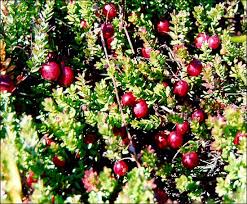 Cranberries
9,090 μ mol TE/100g.
Raw cranberries are a source of polyphenol antioxidants, phytochemicals under active research for possible benefits to the cardiovascular system and immune system, and as anti-cancer agents, such as in isolated prostate cancer cells. In addition, it is uncertain whether polyphenols and flavonoids account for the benefits of diets rich in plant-derived foods.
Cranberry juice contains a high molecular weight non-dialyzable material that might inhibit formation of plaque by Streptococcus mutans pathogens that cause tooth decay. Cranberry juice components also may possibly influence formation of kidney stones.
 Nuts, pistachio nuts, raw
Consuming unsalted, dry-roasted pistachios prevents any addition of unwanted fats and additional sodium in the diet that may affect cardiac health adversely and increase hypertension.
Human studies have shown that 32–63 grams per day of pistachio seeds can significantly elevate plasma levels oflutein, alpha-carotene, beta-carotene, and gamma-tocopherol.

Garlic, raw
